Contents
Scroll to:
https://doi.org/10.37489/2949-1924-0138
Scroll to:
Relevance. Trust significantly determines consumers' choice of pharmacy products and increases the frequency of purchases: 46–76 % of customers are loyal to chains thanks to it. Trust factors include emotional, rational and social aspects. In a competitive environment, studying the phenomenon of trust is relevant for the formation of loyalty and competitive advantages of a pharmacy organization.
Methodology. During the research, sociological research methods were used in the form of questionnaires. The content analysis method was used to analyze the literature. When developing the concept, we used the theory of trust, a systems approach, and methods of logical, comparative, and structural analysis. When processing the research results, mathematical and statistical research methods were used.
Results. The factors and conditions that shape consumer confidence in pharmaceutical products have been identified, and a concept for building consumer confidence in pharmaceutical products has been developed, ensuring the effective provision of medicinal care.
Conclusion. The study conducted a comprehensive assessment of the phenomenon of trust, its significance and role in shaping consumer attitudes towards pharmaceutical products. Particular attention is paid to the analysis of conditions influencing the formation of consumer trust factors, including both external conditions (product quality, pricing policy, packaging, assortment) and internal ones emotional and social conditions of interaction.
Zheltkevich O.V., Socolova O.V. The concept of building consumer confidence in pharmaceutical products. Patient-Oriented Medicine and Pharmacy. 2026;4(2):24-34. (In Russ.) https://doi.org/10.37489/2949-1924-0138
Trust acts as a fundamental determinant of consumer choice of medicinal products and other pharmaceutical goods, significantly influencing the volume and frequency of purchases. According to survey data, 46–76% of consumers prefer specific pharmacy chains and make more purchases due to trust in personnel, quality, and reputation. The formation of trust is determined by a complex of factors: emotional (empathy, sense of safety, respect, positive emotions), rational (guarantees of product quality and safety, transparency of information), and social (corporate reputation, user reviews, service convenience, social responsibility). In conditions of high competition in the pharmaceutical market, the study of the phenomenon of trust acquires particular scientific and practical relevance, as it allows for the identification of mechanisms for forming consumer loyalty and strategies for enhancing the competitive advantages of pharmacy organizations [1, 2, 3].
To identify and analyze significant factors and conditions influencing the formation of consumer trust in pharmaceutical products and pharmacy organizations.
To study the theoretical foundations of the phenomenon of trust in the modern context from the perspectives of philosophy, psychology, and sociology.
To study the rational, emotional, and social factors influencing the formation of consumer trust.
To develop a concept for building consumer trust in pharmaceutical products.
To confirm or refute the significance of key elements of the concept for building consumer trust in pharmaceutical products through the results of sociological research.
Using comparative analysis, the theory of trust was studied, including its concept, factors, and conditions for the formation of trust. Psychological and philosophical approaches to the study of trust were investigated using the content analysis method.
Based on theoretical research, questionnaires were developed for conducting two sociological surveys: among consumers and pharmaceutical workers. The survey involved 85 consumers and 62 pharmaceutical workers.
In the course of our research, we studied the theory of trust, which examines the mechanisms of forming confidence in individuals and groups regarding the reliability of other subjects (people, institutions, organizations) [4].
Psychological: Trust as an emotional-cognitive state that arises when interests, experience, and values align. It is reinforced by repeated positive outcomes.
Sociological (P. Sztompka): Three foundations—information about the partner (promises, reputation), personal experience, and cultural norms. Includes expectations of reciprocity, loyalty, and solidarity.
Economic (rational choice): Trust as a calculation of risks and benefits; an individual trusts under conditions of low vulnerability and high competence of the object.
Competence: the ability to fulfill expectations;
Honesty: alignment of words and actions;
Benevolence: care for the interests of the trustor [4].
These approaches are reflected in the results of our research. Thus, in the pharmaceutical context, trust in pharmacy workers is formed through transparency, expertise, and empathy, increasing consumer loyalty.
Based on the literature analysis, one of the main external conditions forming trust is the pricing policy of the pharmacy organization. Every second respondent who expressed trust in Russian medicinal products (55%) is inclined toward them due to the affordable price of the products. This condition is particularly significant for those personally responsible for purchasing medicines, respondents over 45 years of age, and working Russians with average income levels [1, 5, 6, 7].
Another significant external condition for building trust is the packaging of the medicinal product. Modern pharmaceutical manufacturers actively employ various design techniques to create a distinctive product appearance, which contributes to increased visibility and attractiveness for consumers. Empirical studies confirm the importance of packaging as a significant factor in the selection of medicinal products among numerous analogues with identical therapeutic properties. In conditions of high competition, consumer choice often reduces to aesthetic evaluation based on the "attractive—unattractive" principle, where visual perception plays a decisive role in the decision-making process [8].
Analysis of the value of external factors of a pharmacy organization for consumers revealed the growing role of parameters such as service quality and the availability of a wide range of medicinal products. Consumers primarily associate service quality with a high level of staff qualification [5, 6, 9, 11].
Fundamental external conditions for building consumer trust in pharmacy organizations include physical factors, encompassing sales floor layout, typology and placement of pharmacy commercial equipment, principles of arrangement and display of pharmaceutical products, positioning of advertising and informational materials, as well as the creation of the overall atmosphere of the hall (lighting, color scheme, aromatic profile, temperature regime, presence and level of background sound from music). Comprehensive study of these factors ensures the acquisition of valuable data for optimizing consumer trust [11].
Effective professional interaction plays a crucial role in building consumer trust in pharmaceutical workers. The role of pharmaceutical workers in consumers' decision-making regarding the purchase of medicinal products is significant [2, 6, 9, 12, 13]. Pharmaceutical specialists should be trained in the psychology of interaction with consumers of pharmaceutical products and the psychology of effective sales, where priority is given to solving consumer problems, which serves as the foundation for the economic well-being of the pharmacy organization. Pharmaceutical counseling involves providing assistance to the buyer in selecting over-the-counter medicinal products with an emphasis on information adapted to the individual needs of the client [9]. The presence of empathy in pharmaceutical counseling is very important. Empathy is one of the regulators of interpersonal relationships; it manifests in the desire to provide help and support to other people [14].
Based on the literature analysis, we formulated a concept for building consumer trust in pharmaceutical products (Fig. 1).
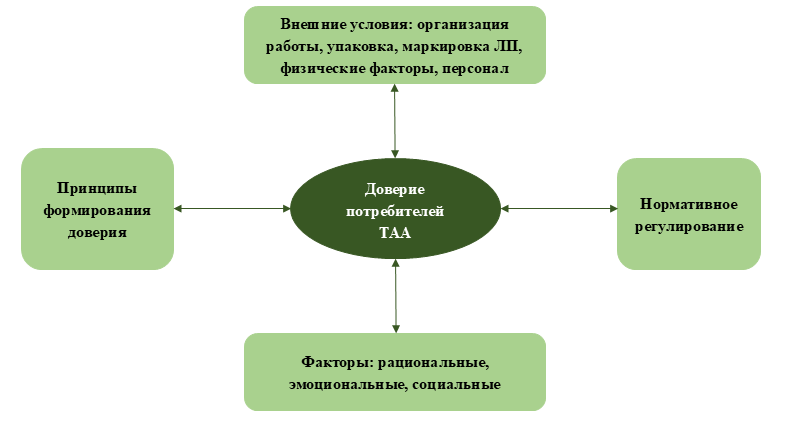
Fig. 1. The concept of building consumer confidence in pharmaceutical products
The concept for building consumer trust in pharmaceutical products is based on a combination of factors of quality, staff expertise, and process transparency. It takes into account the specific characteristics of the pharmaceutical market, where trust directly affects loyalty and choice.
Organization of work (pricing policy, quality system, assortment policy);
Personnel (professionally important qualities) [13];
Physical factors (ergonomics of premises);
Packaging and labeling of the medicinal product.
Emotional (empathy, sense of confidence and security);
Rational (safety, compliance with quality standards, reliability of information);
Social (consumer reviews, company reputation).
The formation of trust is influenced by the regulatory framework of the pharmaceutical industry.
Reliability and product quality: ensuring stable compliance of goods with standards, including strict production control, procedures for introduction into civil circulation, and monitoring of drug safety, which is confirmed by personal consumer experience (37% identify this as key);
Affordable price and assortment: pricing as the main factor (55% of respondents), complemented by a wide selection and product authenticity, increases confidence in the pharmacy;
Staff expertise: professionalism, competence, and empathy of pharmaceutical workers (trust of 70–82% in 2025), with an emphasis on consultations and identifying needs through open-ended questions.
The RATER trust model for service quality assessment (Reliability, Assurance, Tangibles, Empathy, Responsiveness) was developed by Professors Zeithaml Valarie A., Berry Leonard L., and Parasuraman A. and published in their 1990 book "Delivering Quality Service: Balancing Customer Perceptions and Expectations." This model is adapted for pharmacies and defines key elements [2] (Table 1).
Table 1. Structure of the trust model (RATER)
| Component | Description in the pharmacy context | Impact on trust |
|---|---|---|
| Reliability | Stable delivery of services and goods | Basic confidence in service |
| Assurance | Pharmacist's expert knowledge, recommendations | Reduction of purchase risks |
| Tangibles | Pharmacy cleanliness, packaging, quality documents | Visual confirmation of quality |
| Empathy | Attention to client needs, personalization | Emotional connection |
| Responsiveness | Quick solutions, feedback, additional services | Loyalty and repeat visits |
Transparency: information about origin, tests, and reviews; participation in educational campaigns;
Communication: use of cliché phrases "You can trust me," staff training in ethics and ethical marketing;
Feedback: monitoring reviews, trainings to increase satisfaction, integration with digital services.
This concept is integrated into educational materials for pharmaceutical workers, enhancing professional thinking.
To confirm the concept of building consumer trust in pharmaceutical products, we conducted a sociological survey of consumers and pharmaceutical workers. The survey involved 85 consumers and 62 pharmaceutical workers.
Most respondents feel safe when communicating with pharmaceutical workers. More than 40% of both consumers (41.3%) and pharmaceutical workers (43.8%) chose the option "rather safe."
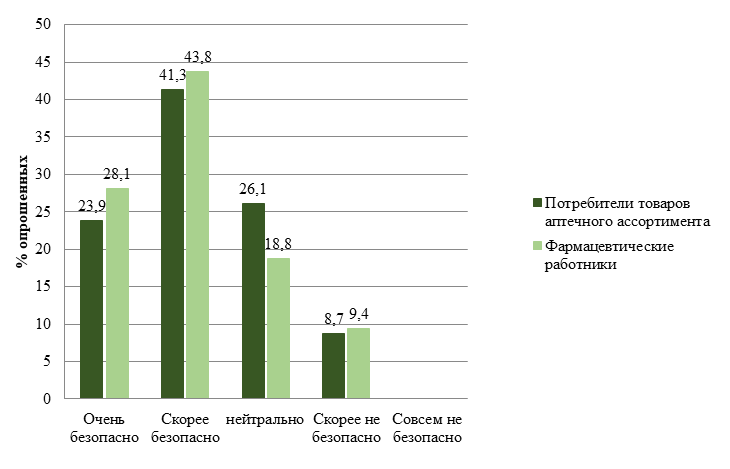
Fig. 2. Feeling safe when communicating with a pharmacist
Confidence when making a purchase is crucial for both consumers and pharmaceutical workers. The majority of respondents consider this factor "very important" (82.2% of consumers and 71.9% of pharmacists).
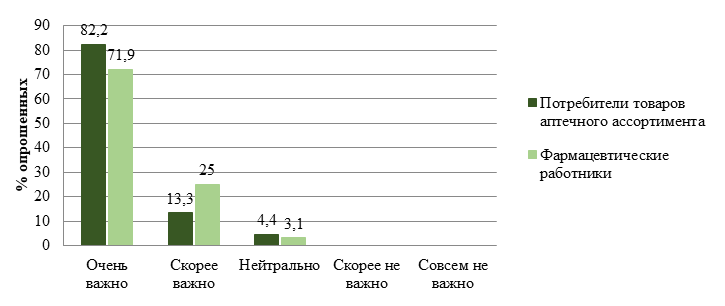
Fig. 3. Confidence in purchasing for pharmacists and consumers of pharmaceutical products
The safety of pharmaceutical products is a critical factor for both groups of respondents. The vast majority of consumers (87%) and pharmaceutical workers (81.3%) consider this aspect "very important." Consequently, this indicator is a priority criterion in the selection and sale of pharmaceutical products, forming the basis of trust in the brand and company.
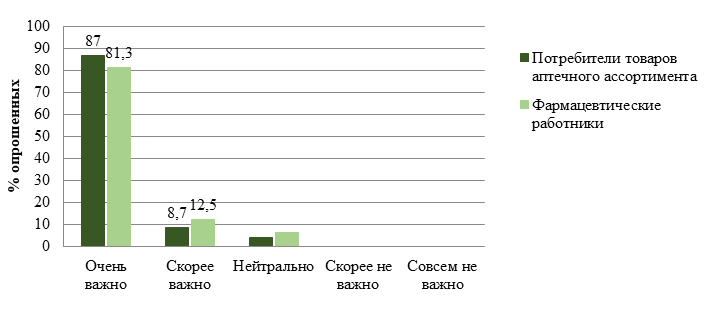
Fig. 4. Safety of pharmaceutical products for pharmaceutical workers and consumers of pharmaceutical products
Compliance of products with quality standards is a priority factor for both consumers and pharmaceutical workers. The vast majority of respondents identified this criterion as "very important" (91.3% of consumers and 81.2% of pharmacists). This indicates that quality control and compliance with standards are perceived by both groups as a mandatory condition for trust in pharmaceutical products and the pharmacy as a whole.
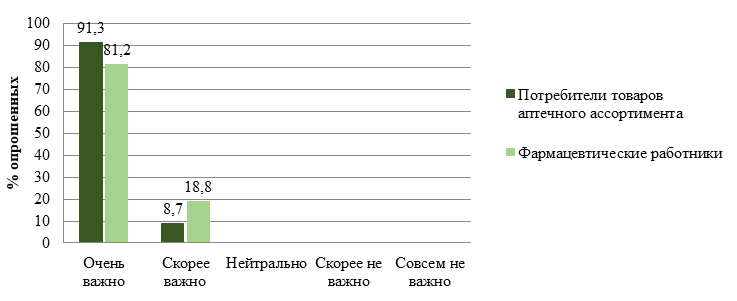
Fig. 5. Compliance of products with quality standards for pharmaceutical workers and consumers of pharmaceutical products
Clear, consistent, and reliable information about products and purchasing conditions is critically important for both groups of respondents. The majority of consumers (84%) and pharmaceutical workers (68.8%) consider this factor "very important." Consequently, the provision of transparent and reliable information is one of the decisive conditions for building trust and effective interaction between buyers and pharmacy organizations.
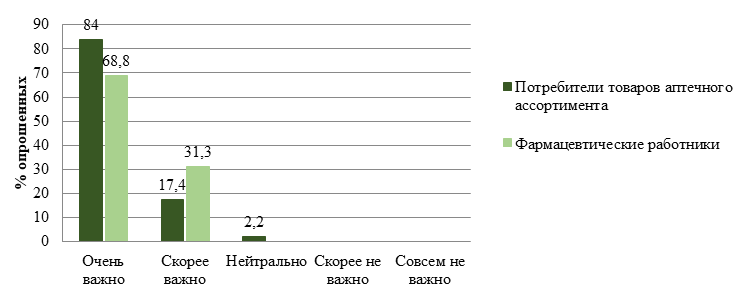
Fig. 6. Reliability of information about products and terms of purchase for pharmaceutical workers and consumers of pharmaceutical products
The reputation of a pharmacy organization is a significant factor for both groups of respondents. More than half of consumers (52.2%) and nearly half of pharmaceutical workers (46.9%) consider it "rather important." Meanwhile, 37% of consumers and 43.8% of pharmacists rated this indicator as "very important." Company reputation is perceived as an important criterion in choosing and interacting with a brand, forming the foundation of trusting relationships between clients and pharmacy organizations.
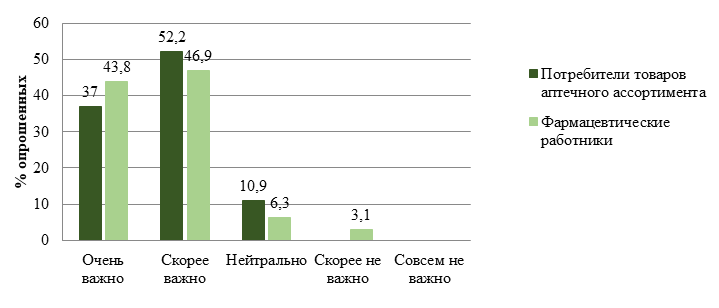
Fig. 7. The importance of a company's reputation for pharmaceutical workers and consumers of pharmaceutical products
Consumer reviews play a significant role in the purchase decision-making process. More than a third of respondents from both groups consider this factor "very important" (34.8% of consumers and 34.4% of pharmacists). The presence of reviews has a significant impact on the formation of trust and purchase decisions, both among pharmaceutical workers and among consumers of pharmaceutical products.
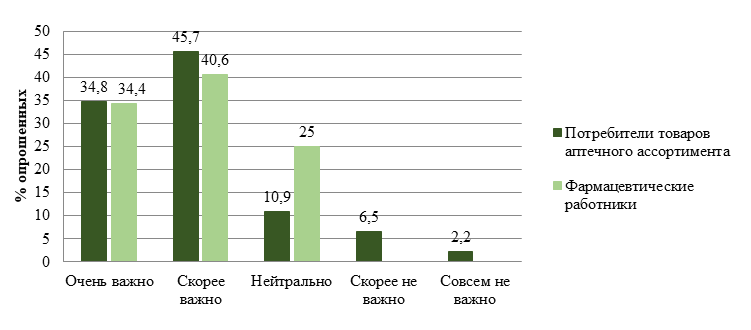
Fig. 8. The role of consumer reviews in purchase decisions
Critical analysis of the scientific literature allowed us to identify and classify the conditions and factors for building consumer trust in pharmaceutical products. Based on the research results, a concept for building trust was formulated, the ideas and principles of which were confirmed by the results of sociological research. Thus, the study of the emotional factor in the form of a sense of safety during communication shows that a basic level of trust in pharmacists has already been formed but is not absolute. There is potential for strengthening, which is realized through improved communication, openness, and emotional support (empathy).
The very high significance of confidence when making a purchase (82.2% of consumers and 71.9% of pharmacists—"very important") confirms that the feeling of reliability of choice is a central criterion in the pharmacy.
Safety is considered a basic, non-negotiable parameter: 87% of consumers and 81.3% of pharmacists consider it "very important." This is consistent with trust theory: safety is a fundamental component, without which neither price nor service functions. Violation of this condition leads to a sharp decline in trust in the brand, pharmacy, and the entire system.
Almost complete alignment of positions (91.3% of consumers and 81.2% of pharmacists—"very important") shows that formal quality standards are perceived as an objective guarantee. For the consumer, standards are a kind of "insurance" against errors and counterfeits. For pharmaceutical specialists, they represent professional and legal protection.
The high significance of honest and understandable information (84% of consumers and 68.8% of pharmacists—"very important") directly reflects the Assurance and Transparency component in the presented "Trust" model. The gap between groups suggests that pharmaceutical workers may underestimate how critical clarity of wording, absence of hidden motives, and understandable explanations of action, side effects, and conditions of use are to the client. This underscores the need to develop communication skills and simplify explanations without losing professionalism.
Reputation is perceived as an integral indicator of previous experience and social evaluations: the majority of respondents rate it as "rather important" or "very important." For consumers, reputation compensates for a lack of professional knowledge: a good reputation reduces the perception of risk. For pharmaceutical workers, pharmacy reputation is also important, but they likely rely more on professional sources (instructions, clinical guidelines) than on image.
More than a third of respondents in both groups consider reviews "very important," reflecting the growing influence of horizontal connections and user experience. For consumers, reviews are a source of "living" information, an informal verification of manufacturer and pharmacy promises. For pharmaceutical workers, the importance of reviews indicates that they are guided not only by instructions but also by real patient experience, which brings professional and consumer perspectives on trust closer together.
Thus, trust in pharmaceutical products and pharmaceutical workers in the perception of both groups is built primarily on safety, quality, and reliable information. Company reputation and reviews strengthen or weaken this trust, serving as external markers of reliability.
The level of subjective safety and confidence is high but not absolute, which confirms the relevance of the developed concept and the need for targeted trust-building strategies: through transparency, development of pharmaceutical workers' communicative competence, improvement of the pharmacy environment, and work with feedback.
When interpreting the results of this study, a number of methodological limitations must be considered that may affect the generalizability and validity of the conclusions drawn.
Geographic and sociocultural limitations. The study was conducted in a single region (Yaroslavl Oblast) and may not fully reflect the characteristics of consumer behavior and trust perception in other constituent entities of the Russian Federation with different income levels, pharmacy network density, and sociocultural traditions. Extrapolation of results at the national level requires multicenter studies.
Sample size and representativeness. The sample size (85 consumers and 62 pharmaceutical workers) is sufficient for a pilot study but relatively small for constructing robust statistical models. Furthermore, the work lacks a detailed demographic profile of respondents (age and gender structure, education level, social status, presence of chronic diseases), which does not allow for a full assessment of sample representativeness in relation to the general population of consumers and specialists.
Limitations of the data collection instrument (survey). The questionnaire method employed relies on respondents' subjective self-assessment of their feelings (safety, confidence), which may not align with their actual behavior in a purchase situation. There is a risk of socially desirable responses, especially from pharmaceutical workers, who may overestimate the importance of empathy or safety due to professional self-perception.
Lack of analysis of actual behavior (behavioral intentions vs. actual purchases). The study examines factors influencing the formation of trust and respondents' opinions on the importance of certain conditions. However, the research did not include analysis of actual transactional data (receipts, frequency of repeat purchases, loyalty dynamics), which limits the ability to directly link stated factors to actual consumer behavior.
Static nature of the study. This study is cross-sectional; it captures the current state of trust perception but does not allow tracking the dynamics of changes in this perception over time, for example, under the influence of crisis situations or marketing strategies.
Limited qualitative data analysis. The research is focused on quantitative assessment of trust factors. In-depth semi-structured interviews with consumers and pharmacists could reveal more subtle nuances of emotional and social aspects of interaction that are not always captured by closed-ended questionnaire questions.
Consideration of these limitations allows for a more conservative assessment of the results obtained and defines directions for further research, including expansion of geography, increased sample size, application of behavioral economics methods, and qualitative research approaches.
1. Babaskin DV, Adzieva LA, Litvinova TM, et al. Factors Shaping Consumer Trust in the Remote Purchase of Over-the-Counter Medicines. Research Journal of Pharmacy and Technology. 2025;18(5):2363-0. doi: 10.52711/0974-360X.2025.00338.
2. Barseghyan AB, Nazary-an LG, Simonyan MH, Tadevosyan AE. Trust and customer satisfaction with services provided by pharmacy staff. West Kazakhstan Medical Journal. 2020;62(2):157–163. (In Russ.)
3. Soboleva A. A., Zheltkevich O. V. A study of factors shaping consumer confidence in pharmaceutical products. Pharmacy: experience and development prospects: Collection of articles from the All-Russian scientific and practical conference, Krasnoyarsk, March 21, 2025. Krasnoyarsk: Krasnoyarsk State Medical University, 2025: 253-257. (In Russ.)
4. Ivanov A.V. Theory of social trust: methodological problems of socio-philosophical conceptualization. Modern problems of science and education. 2015; (1-1). (In Russ.)
5. Bondarenko V.A., Solyanskaya Yu.V. Survey of pharmacists to identify their involvement and willingness to participate in the formation of consumer choice: updating additional training. Practical Marketing. 2024;2(320):4-9. (In Russ.)
6. Dorofeeva V.V., Sinayskaya O.V. Study of consumer behavior factors influencing the integrated assessment of the perceived quality of pharmaceutical care. Bulletin of Peoples’ Friendship University of Russia. Series: Medicine. 2004; 4 (28): 56–64. (In Russ.)
7. Lobuteva L, Lobuteva A, Zakharova O, et al. The modern Russian pharmaceutical market: consumer attitudes towards distance retailing of medicines. BMC Health Serv Res. 2022 Apr 30;22(1):582. doi: 10.1186/s12913-022-07991-7.
8. Volskaya E.A. Marketing functions of drug packaging. Remedium. Journal of the Russian drug and medical equipment market. 2010;(8):7-14. (In Russ.)
9. Antropova G.A., Ivanova M.A. Pharmaceutical counseling. Opinion of consumers of medicines on the role of pharmacies. International scientific journal «Symbol of Science». 2016;(5):202-205. (In Russ.)
10. Dorofeeva VV, Galkina GA, Sudarenko CV. Study of consumer behavior in otc drug market. RUDN Journal of Medicine. 2013;(2):27-32. (In Russ.)
11. Dorofeeva V.V., Golubkina L.V. The Importance of External Factors in the Analysis of Consumer Choice of Pharmacy Products. Bulletin of Peoples’ Friendship University of Russia. Series: Medicine. 2004;(4):52-55. (In Russ.)
12. Zheltkevich O.V., Sibireva A.D. Personality Traits Affecting Pharmaceutical Workers' Communication with Consumers. Remedium. Journal of the Russian Pharmaceutical and Medical Equipment Market. 2019;(1): 56–60. (In Russ.)
13. Zheltkevich O.V., Socolova O.V., Alekseeva K.S., Zavarueva A.P. Professional qualities of pharmaceutical workers for the provision of personalized medical care. Patient-Oriented Medicine and Pharmacy. 2024;2(4):67-73. (In Russ.)
14. Schneider M.I. Empathy as a form of reflection of another person. Humanization of education. 2016; (2): 60-64. (In Russ.)
Olga V. Zheltkevich - Dr. Sci. (Pharm.), Professor, Department of Management and Economics of Pharmacy
Yaroslavl
The authors declare no conflict of interest.
Olga V. Socolova - Cand. Sci. (Pharm.), Associate Professor, Associate Professor, Department of Management and Economics of Pharmacy
Yaroslavl
The authors declare no conflict of interest.
Zheltkevich O.V., Socolova O.V. The concept of building consumer confidence in pharmaceutical products. Patient-Oriented Medicine and Pharmacy. 2026;4(2):24-34. (In Russ.) https://doi.org/10.37489/2949-1924-0138
НАШИ КНИГИ






Другие журналы
"Издательства ОКИ"




.png)
ПАРТНЕРЫ

 Email this article (Login required)
Email the author (Login required)
Email this article (Login required)
Email the author (Login required) 115522, Moscow, st. Moskvorechye, 4, building 5, apt. 129, OKI Publishing House LLC
Processing of personal data